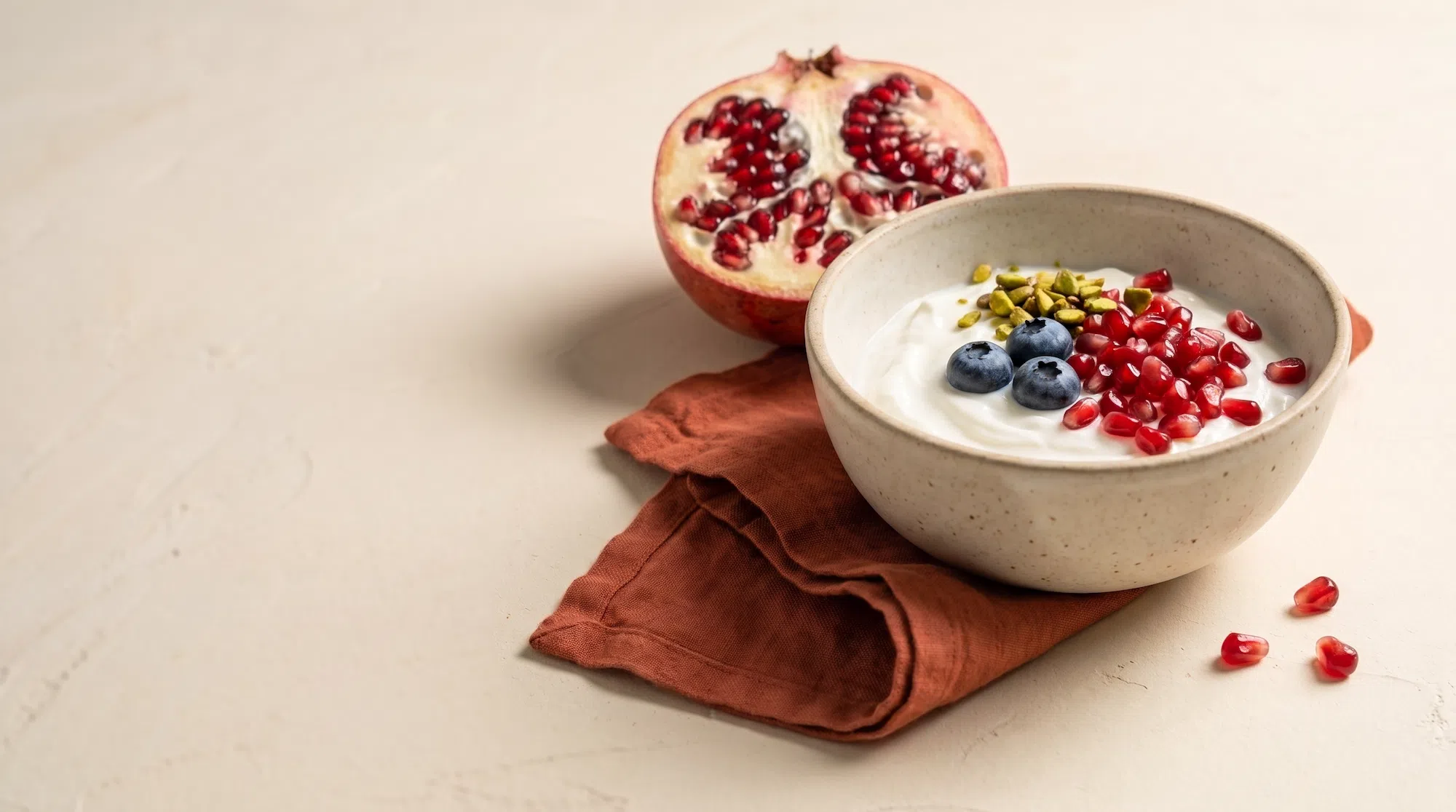
If you’ve been prescribed a GLP-1 medication, you may have noticed that your appetite has changed, sometimes dramatically. Food no longer feels as urgent, meals feel filling much sooner, and some foods that used to be favourites can suddenly feel unappealing. That shift can be a relief, but it also raises a question many people don’t get much guidance on: if I’m eating less, how do I make sure what I do eat is working for me?
That’s where a GLP-1 nutritionist can help. At Baldo & Mason, we support people taking these medications with practical, realistic nutrition guidance. This article covers the essentials of GLP-1 nutrition: protein, managing side effects, what to eat day to day, and how to build habits that last.
Please note: this article offers nutrition guidance, not medical advice. Please follow your prescriber’s instructions and speak to your GP or pharmacist about the medication itself.
At a glance
- Eating less means every meal has more work to do, so make what you can manage as nourishing as possible.
- Protein, alongside strength training, is the most useful tool for protecting muscle during weight loss.
- Smaller, gentler, lower-fat meals often ease nausea; fibre and fluids help with constipation.
- The habits you build now are what support you if your medication is reduced or stopped.
Why nutrition matters when you’re on GLP-1 medication
GLP-1 medications, including semaglutide and tirzepatide, work in part by slowing digestion and increasing feelings of fullness. In plain terms, you tend to feel satisfied on much less food. This is why nutrition while taking weight loss medication deserves real attention.
When you’re eating smaller amounts, there’s less room for error. Every meal has more work to do, and a few things can slip:
- Protein intake can drop, which matters for muscle, strength and recovery.
- Fibre and fluids can fall short, which can make constipation more likely.
- Some nutrients become harder to get enough of when overall food intake is low, including iron, calcium, vitamin D, B12 and others, depending on your diet and history.
- Eating can start to feel like a chore, so meals get skipped or become very repetitive.
None of this is inevitable. A little planning goes a long way, and the aim is simple: make the food you can manage as nourishing as possible.
Protein on GLP-1 and muscle loss
If there’s one nutrient we talk about most with clients on these medications, it’s protein.
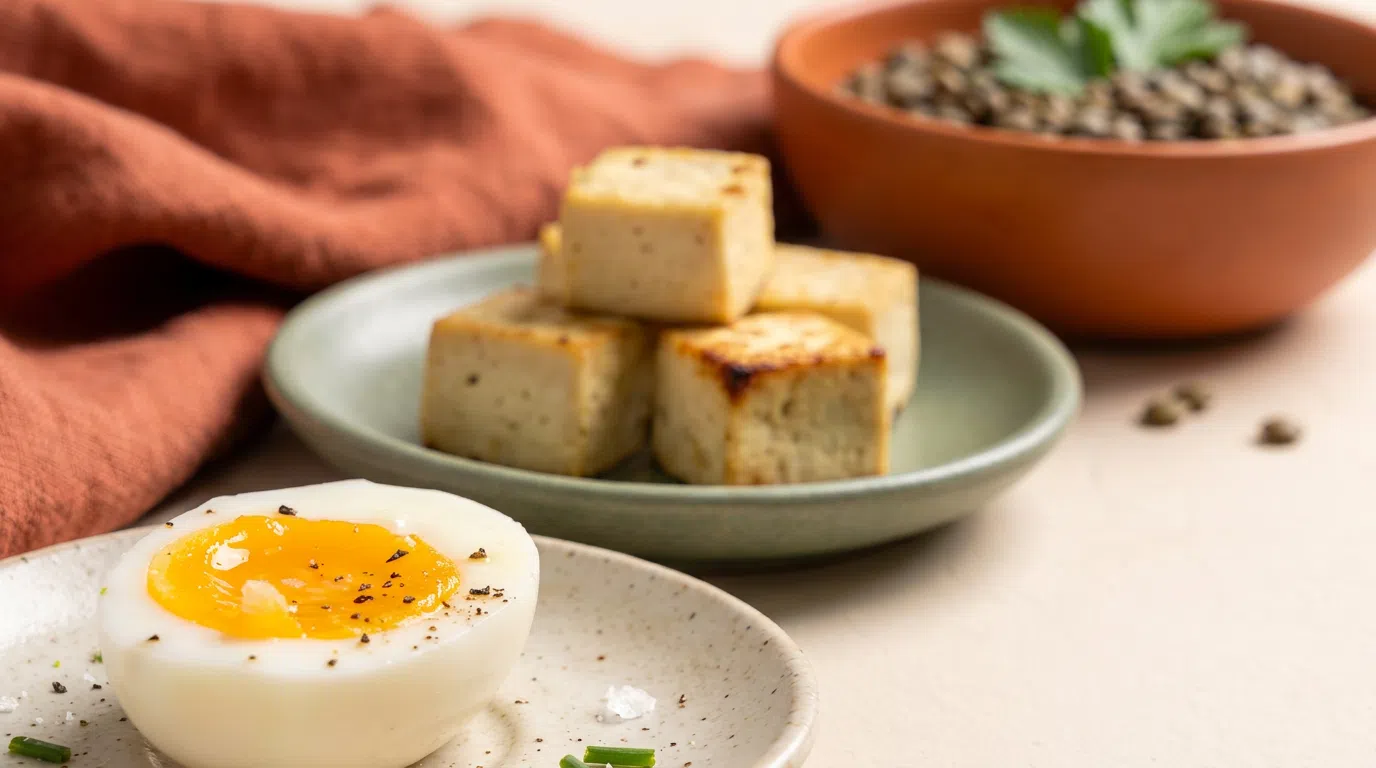
When body weight reduces, some of that loss can come from lean tissue (including muscle) as well as fat. Muscle matters. It supports your strength, balance, metabolism and long-term health, and it’s much easier to protect than to rebuild. Getting enough protein, alongside movement that challenges your muscles, is one of the most useful things you can do to support muscle retention during weight loss.
How much protein do you need?
0.75g
per kg of body weight per day: the UK’s general reference intake for adults
1.2–1.6g
per kg per day: the range many nutrition professionals suggest during weight loss
For a 75kg adult, that’s roughly 90–120g of protein a day. The right amount for you depends on your age, activity levels and health. Anyone with kidney conditions or other medical considerations should check with their GP or healthcare team before increasing protein.
Practical ways to get more protein when your appetite is small
- Lead with protein at meals. Eat the protein part of your plate first, while your appetite is at its best.
- Choose protein-dense foods. Eggs, Greek yoghurt, cottage cheese, fish, poultry, tofu, tempeh, lentils and beans deliver a lot in a small portion.
- Little and often. Three small meals plus one or two protein-focused snacks can be easier than three large plates.
- Think in liquids if solids feel like too much. A protein-rich smoothie, kefir or soup can work well on low-appetite days.
- Pair protein with strength training. Even two short sessions of resistance work a week makes a difference.
GLP-1 side effects and diet
Side effects are common, particularly when starting the medication or when your dose changes. The most frequently reported are nausea, constipation, diarrhoea, bloating and reflux. Food can’t remove them entirely, but it can often ease them. Here are the food tips we share most often, along with some wider digestive strategies:
For nausea
- Eat smaller portions, more slowly, and stop at the first sign of fullness.
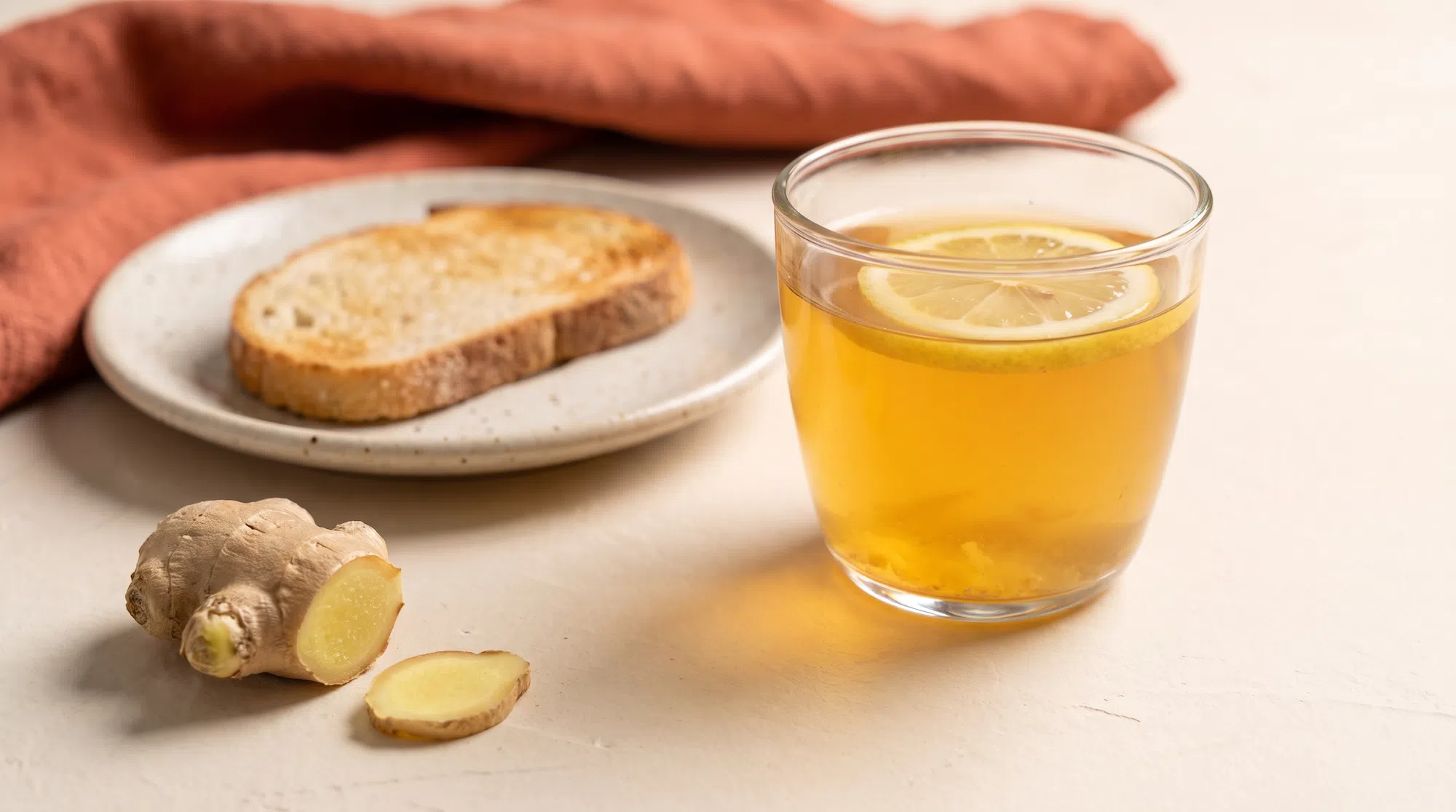
- Choose gentle, lower-fat foods such as toast, rice, potatoes, plain yoghurt, bananas or broth.
- Limit very rich, greasy, fried or heavily spiced meals.
- Try ginger or peppermint tea, and cold or room-temperature foods if cooking smells are off-putting.
- Sip fluids between meals rather than drinking a lot with food.
For constipation
- Build fibre up gradually from vegetables, fruit, oats, chia or flaxseed, beans and wholegrains. Adding a lot too quickly can worsen bloating.
- Increase your fluids, since fibre needs water to do its job.
- Gentle daily movement, such as a walk, can help keep things moving.
For reflux and bloating
- Avoid lying down soon after eating, and try smaller evening meals.
- Notice whether fizzy drinks, alcohol or very large meals make symptoms worse.
When to speak to your prescriber or GP: persistent vomiting, severe abdominal pain, signs of dehydration, or side effects that are affecting your daily life. These need medical attention, not just dietary tweaks.
What to eat on GLP-1
So what does a good day of eating actually look like? Rather than a rigid plan, think of it as a few simple principles:
- Prioritise protein at every meal and snack.
- Fill the rest of your plate with colour. Vegetables, fruit, pulses and wholegrains provide fibre, vitamins and minerals.
- Include healthy fats in modest amounts. Olive oil, nuts, seeds, avocado and oily fish support heart health, though very high-fat meals may sit heavily.
- Eat regularly, even if you’re not hungry. A smaller appetite doesn’t mean your body needs less nourishment.
- Stay hydrated with steady fluids across the day.
- Go easy on alcohol, which can worsen nausea and reflux and adds little nutritionally.
A sample day
| Meal | What it might look like |
|---|---|
| Breakfast | Greek yoghurt with berries and seeds |
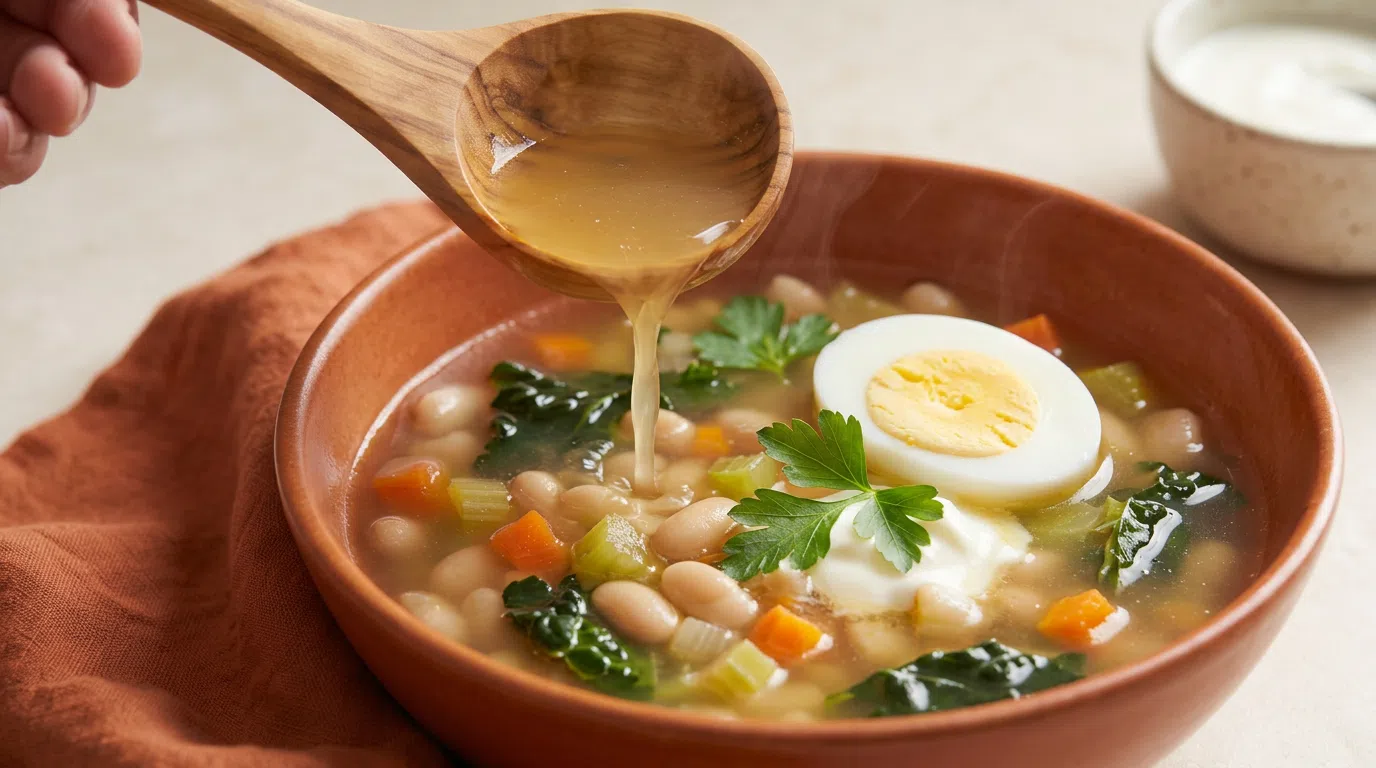
| Lunch | Bean and vegetable soup with a boiled egg or chicken |
| Snack | A small handful of nuts, or cottage cheese |
| Dinner | Baked salmon with potatoes and greens |
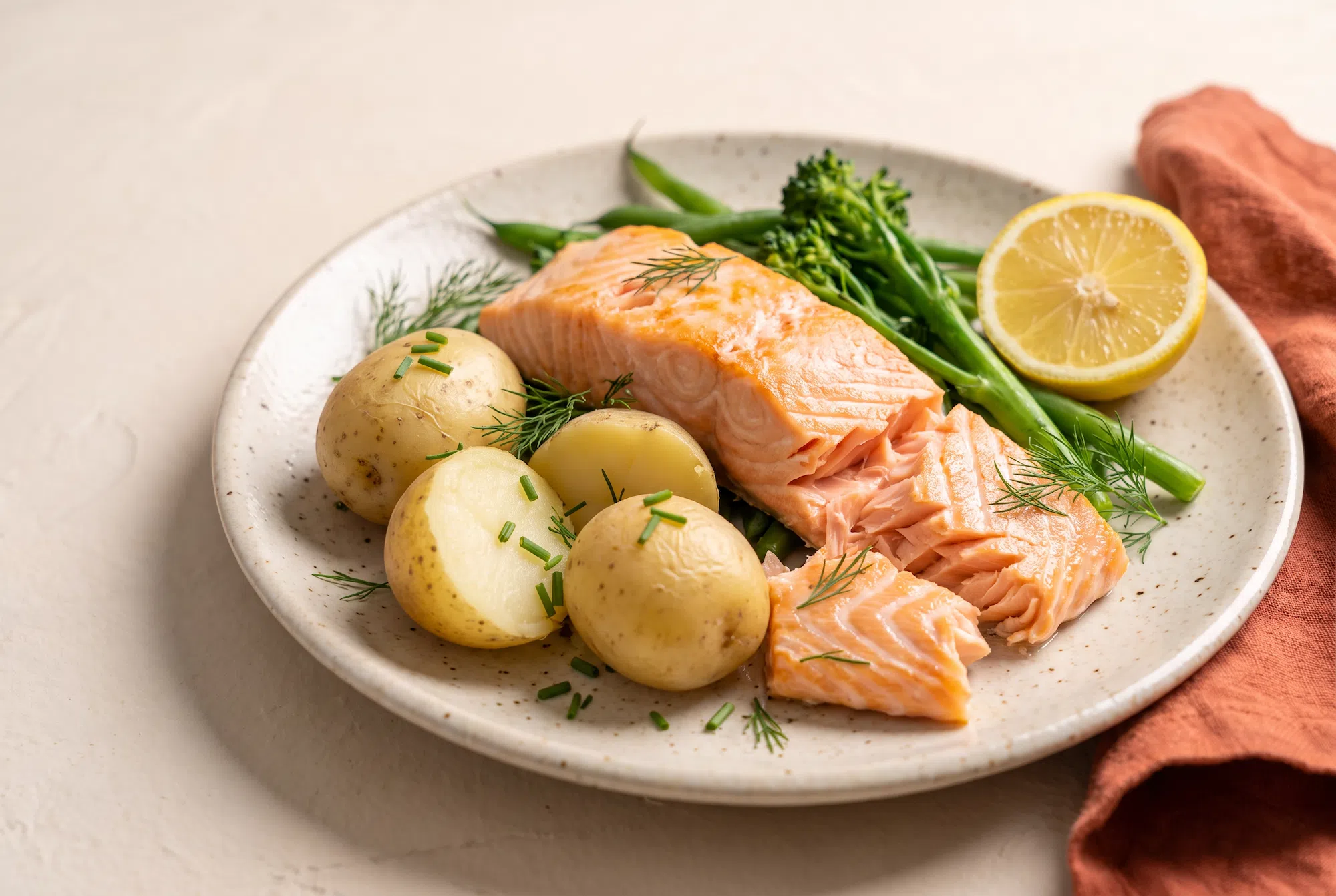
Portions are small, but every item earns its place.
Does it matter which GLP-1 medication you take?
The core principles above apply whichever GLP-1 medication you’ve been prescribed. Your prescriber decides which medication and dose is right for you. Two practical points apply to most people: side effects such as nausea often appear or return when the dose is increased, so keeping meals small and lower in fat around dose changes can help; and because appetite can drop considerably, protein-first meals and regular eating become especially important.
Sustainable weight loss after GLP-1
One thing worth thinking about early is what comes next. These medications influence appetite while you’re taking them, and for many people, appetite and weight can change again if the medication is reduced or stopped. That isn’t a personal failing. It’s biology.
This is why we encourage building a nutrition foundation while you’re on treatment. Skills like eating balanced meals, getting enough protein, understanding hunger and fullness cues, and staying active are yours to keep. They can help you feel more confident and in control whatever the future holds.
You can read more about our approach in our article on weight management.
Frequently asked questions
What should I eat on GLP-1 medication?
Focus on protein at every meal, plenty of vegetables, fruit and wholegrains for fibre and nutrients, and regular small meals even when your appetite is low. Choose gentler, lower-fat foods if you’re experiencing nausea.
Does what I eat depend on which GLP-1 medication I take?
The same principles apply across GLP-1 medications: prioritise protein, build fibre up gradually, stay hydrated and eat small, nutrient-dense meals. Your prescriber can advise on anything specific to your medication and dose.
Is nutrition support necessary while taking weight loss medication?
Not everyone needs one-to-one support, but many people find it valuable. A smaller appetite makes it easier to miss out on protein and key nutrients, so having a plan can help protect muscle, energy and overall wellbeing.
How can I get enough protein if I’m not hungry?
Choose protein-dense foods, eat the protein part of your meal first, and consider smoothies, soups or yoghurt-based snacks. Small, frequent portions can be easier than large meals.
Should I take supplements while on GLP-1 medication?
It depends on your diet, health history and any test results. It’s best to discuss supplements with a qualified practitioner, your GP or your pharmacist rather than starting several at once.
Can nutrition help with the side effects?
Often, yes. Eating smaller portions, choosing gentler foods, increasing fibre gradually and staying hydrated can ease common digestive symptoms. Persistent or severe symptoms should always be checked with your prescriber or GP.
Personalised GLP-1 nutrition support
Every body, and every experience of these medications, is different. If you’d like tailored guidance, our Registered Nutritional Therapists can build an approach with you that fits your appetite, preferences and lifestyle.
Sources
- NHS: Semaglutide and Tirzepatide medicine guides
- NICE: Semaglutide for managing overweight and obesity (TA875)
- NICE: Tirzepatide for managing overweight and obesity (TA1026)
This article is for general educational purposes and is not a substitute for medical advice. Always follow your prescriber’s guidance and speak to your GP or pharmacist about your medication.